
Fire & Smoke
Kitchen Fire Cleanup in Ann Arbor: A Homeowner Guide
By Voda Tri-County Restoration · · 6 min read
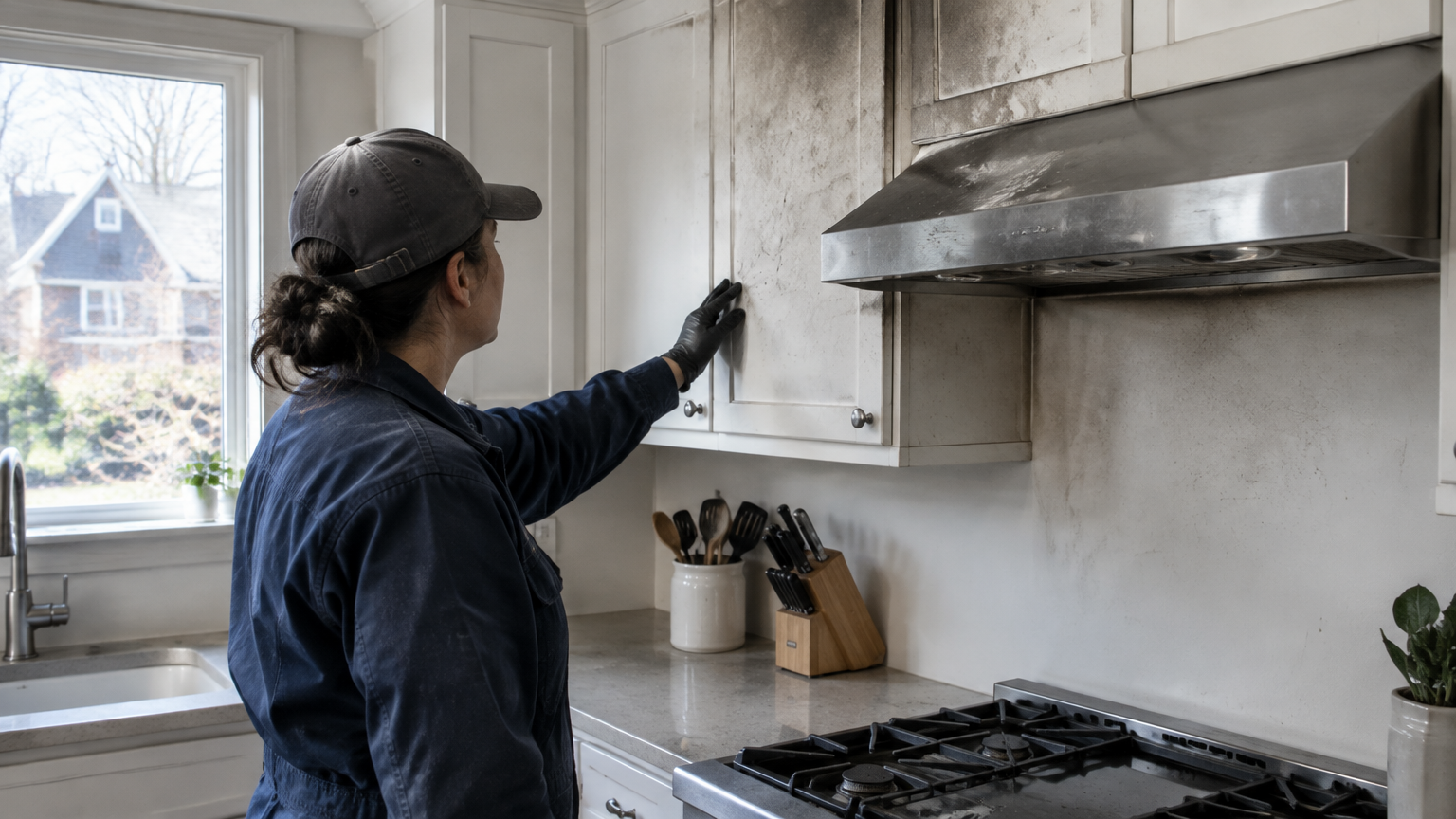
Need kitchen fire cleanup in Ann Arbor? Learn what to do after a cooking fire, what not to touch, and how pros handle soot, smoke odor, and water damage.
Kitchen fire cleanup in Ann Arbor starts with a calm first hour
A pan of oil catches, a towel gets too close to a burner, or something in the oven goes wrong. Even when the flames are out in a minute, the mess left behind can feel overwhelming. Kitchen fire cleanup in Ann Arbor is something we help homeowners with all year, and the holiday cooking season tends to keep kitchens busier than usual. If you're standing in a smoky kitchen right now, this guide walks you through what to do first, what to leave alone, and what professional cleanup actually involves.
The short version: make sure everyone is safe, don't start scrubbing, and get the damage looked at before the soot and odor settle in deeper.
Safety first after a cooking fire
If the fire department came out, follow their guidance about when it's safe to go back in and whether utilities should stay off. If you put a small fire out yourself, give the room a careful look before you get back to cooking.
- Make sure the fire is fully out, including inside the oven, microwave, or range hood.
- Keep kids, pets, and anyone with breathing problems out of the smoky area.
- Open windows if it's safe to do so, and step outside if the air feels heavy or irritating.
- Don't use the stove, oven, or nearby outlets until they've been checked.
- Take photos and video of the kitchen and any other rooms with smoke or soot before you move or clean anything.
Why kitchen fire damage spreads beyond the stove
A cooking fire may only scorch one cabinet, but smoke travels everywhere warm air goes. It rises to the ceiling, drifts down hallways, and gets pulled through return vents into the rest of the house. That's why homeowners in Ann Arbor, Ypsilanti, Saline, and Dexter often find a gray film or a lingering smell in bedrooms on the other side of the house.
Kitchen fires also tend to leave a different kind of residue. Grease and food fires can create a sticky, smeary film that's hard to see on painted walls and cabinets until you try to wipe it. Plastic handles, appliance panels, and countertops can stain if residue sits on them. And soot is acidic, so it keeps working on finishes, grout, and metal after the fire is out. Getting it cleaned the right way, and sooner rather than later, gives you the best shot at saving what can be saved.
What not to do after a kitchen fire
It's natural to want to grab a sponge and make things look normal again. Unfortunately, a few common moves make kitchen fire damage harder to fix:
- Don't wipe soot off walls, ceilings, or cabinets with water or household cleaners. It usually smears and pushes the residue deeper into the surface.
- Don't run the furnace or air conditioning until the system has been looked at, so you don't spread soot through the ducts.
- Don't eat food that was near the fire or exposed to heat, smoke, or extinguisher residue, including food in open pantry shelves.
- Don't use appliances or electronics that were near the flames until they've been checked.
- Don't paint over smoke stains. The odor and discoloration can come right back through fresh paint.
How professional kitchen fire cleanup works
Every fire is different, but here's what the process usually looks like with Voda Tri-County Restoration.
Assessment and securing the space
The crew walks the kitchen and the rest of the home to see how far smoke and soot traveled, what materials were affected, and whether any water was used to put the fire out. That walkthrough shapes the cleanup plan and helps document the loss for your insurance company.
Soot and smoke residue removal
Different surfaces need different methods. Dry soot sponges, specialized cleaners, and careful technique help lift residue from walls, ceilings, cabinets, and fixtures without grinding it in. Grease-heavy residue from a cooking fire often needs extra attention, especially on cabinet faces, range hoods, and the ceiling above the stove.
Smoke odor removal
Cleaning the visible residue is only part of the job. Smoke odor can hide in cabinets, drywall, insulation, fabrics, and ductwork. The goal is to neutralize the odor at the source rather than just mask it, so the kitchen smells like your kitchen again and not like last week's fire.
Water from firefighting
If the fire department or a sprinkler used water, it can soak into the floor, the cabinets, and even the ceiling below. That water needs to be extracted and the structure dried properly, or it can lead to hidden moisture and mold down the road. Fire cleanup and water damage restoration often go hand in hand.
Contents cleaning and repairs
Dishes, small appliances, linens, and other belongings may be cleanable depending on the damage. Once the cleaning is done, the focus moves to repairs, which can range from paint and trim to cabinets, drywall, and flooring.
When the damage isn't just smoke
Sometimes a kitchen fire uncovers more than one problem. If water from firefighting sat under the cabinets or behind the dishwasher, a musty smell weeks later can be a sign of mold, which is worth having checked by a team that handles mold remediation. And if your kitchen drain backs up while plumbing repairs are underway, treat that water as contaminated and keep people away from it until a sewage backup cleanup crew can assess it.
A few words about insurance
Fire is often a covered peril under many homeowners policies, but coverage varies by policy and situation, so call your insurance company or agent to confirm what applies to you. Keep your photos, save receipts for any emergency expenses like meals out or temporary lodging, and write down when the fire happened and what you did afterward.
Voda Tri-County Restoration documents the damage and can work directly with your insurance company. Your policy and your adjuster have the final word on coverage, though, so keep them in the loop from the start.
Kitchen fire cleanup FAQ
Can I clean up a small kitchen fire myself? If it was a tiny flare-up with no visible soot beyond the stovetop and no lingering smell, a careful wipe-down may be enough. If soot reached the walls, ceiling, or cabinets, or the smell is still there the next day, it's worth having a professional take a look.
Why does my house still smell like smoke after I cleaned? Smoke odor settles into porous materials, cabinets, and ductwork that surface cleaning doesn't reach. Professional odor removal treats the source instead of covering it up.
Will my insurance cover kitchen fire cleanup? It depends on your policy and the details of the fire. Call your insurance company or agent to confirm your coverage, and document everything before cleanup begins.
Do you help outside Ann Arbor? Yes. Voda Tri-County Restoration serves Ann Arbor and communities across Washtenaw County and Southeast Michigan, including Ypsilanti, Saline, Dexter, and Chelsea.
Get 24/7 kitchen fire cleanup help in Ann Arbor
A kitchen fire is upsetting, even a small one, and you don't have to sort it out alone. Voda Tri-County Restoration offers fire and smoke damage restoration in Ann Arbor around the clock, along with water damage restoration, mold remediation, and sewage backup cleanup if your situation calls for it.
Smoke or soot in your kitchen right now? Call Voda Tri-County Restoration at (248) 692-4391 for 24/7 help with kitchen fire cleanup and smoke odor removal.